Spearfishing Invasive Roi in Hawaii To Help Protect Our Coral Reefs
The mistake of the 1950s
Roi don't belong here. They were introduced to Hawaiian waters in the 1950s from the South Pacific, a well-intentioned attempt to add a new food fish to local reefs. It backfired completely. With no natural checks in these waters, roi settled in as a full-time apex predator of juvenile native fish.
The uhu, kumu, and menpachi that should be growing up on the reef are getting eaten before they get the chance. One juvenile at a time, one reef at a time.
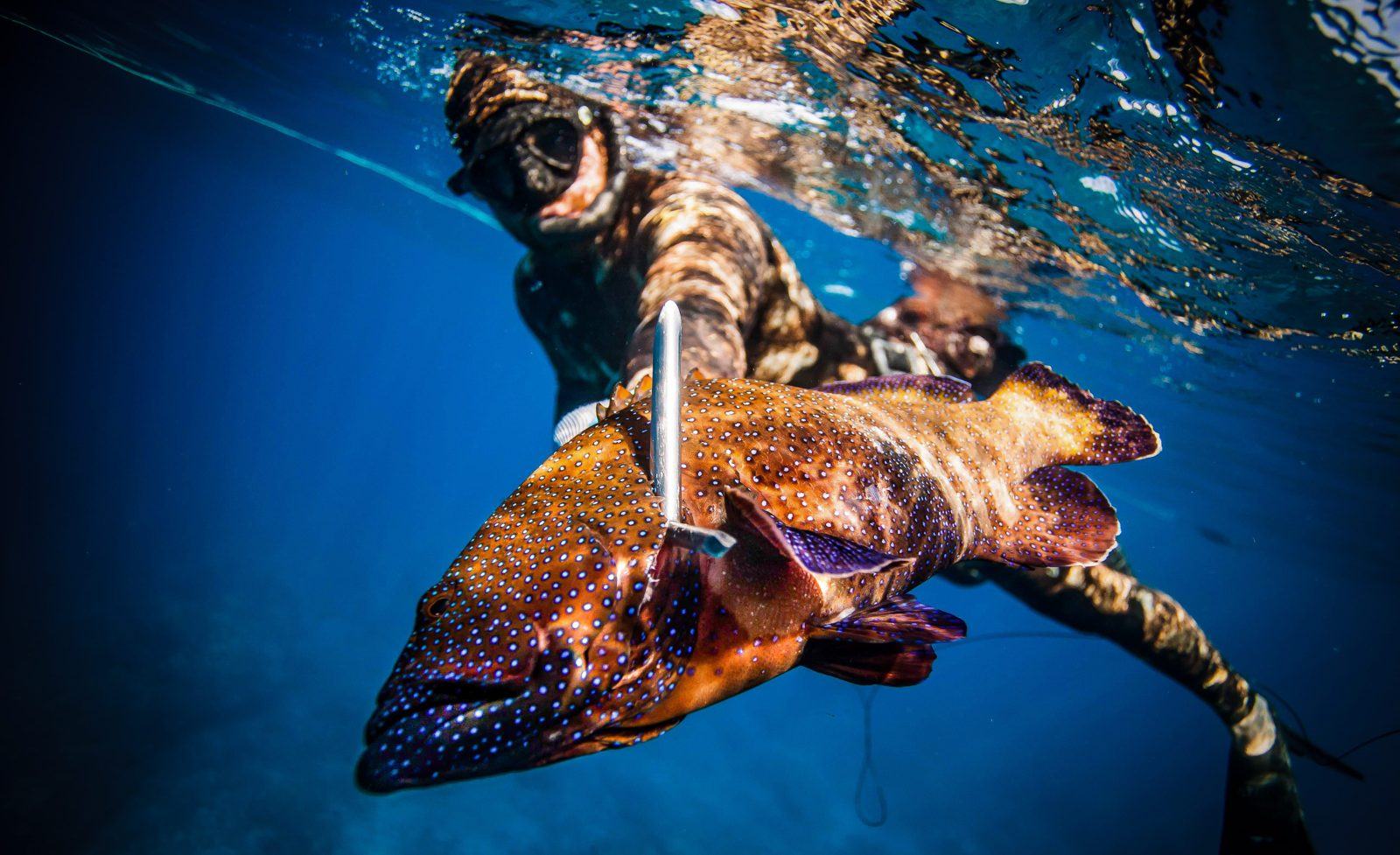
Why spearfishing is the tool for this job
You can't net roi without netting everything else. You can't line-fish them selectively. But a spearfisher looks the fish in the eye before the shot. Zero bycatch, zero habitat damage, one invasive predator removed with surgical precision.
That's why the state doesn't just allow it. It's encouraged.
Under Hawaii's regulations, roi carry no size or bag limit, and removal is encouraged. Spearing is still off-limits in Marine Life Conservation Districts, the Kaʻūpūlehu Marine Reserve, and Kailua Bay Zone A. Our own rule on every dive: never release a speared roi back into the water. Once it's off the reef, it stays off. Full details on our regulations cheat sheet.
Why we never eat them
Here's the twist that protects roi from commercial fishing pressure: they're the fish most associated with ciguatera in Hawaii, a reef toxin that accumulates in predators and doesn't cook out. No restaurant wants them, no market sells them, so no fleet hunts them. The invasive fish got a bodyguard.
We treat every roi as unsafe to eat, no exceptions. Our full guide to ciguatera and fish risk covers which fish we eat with confidence and why. So if nobody eats them, what happens to a boatload of speared roi?
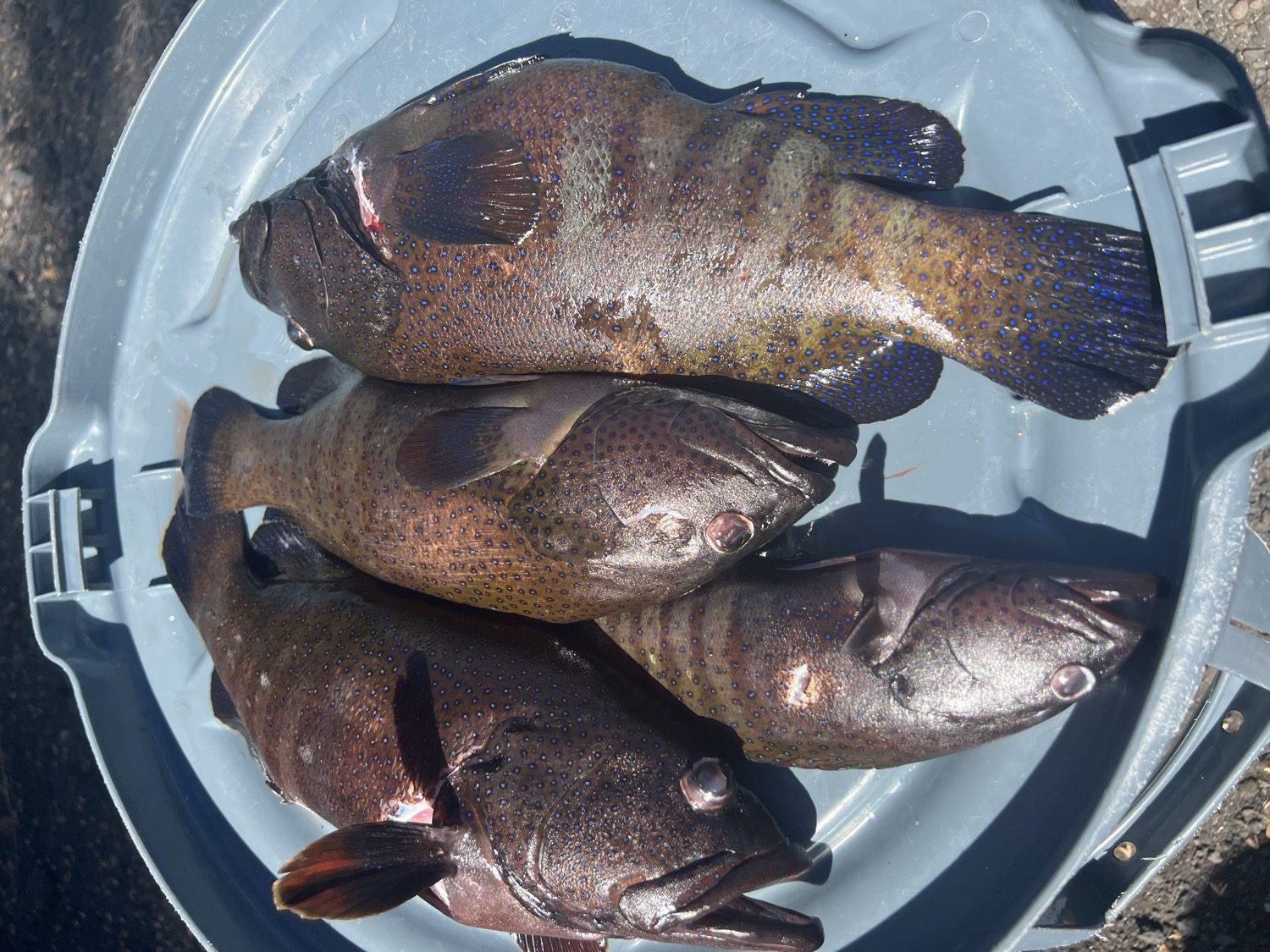
From reef to root
This is the part we're proudest of. Every roi our guests and guides remove goes into fermentation barrels at our Kona processing site, where a Korean Natural Farming method cold-ferments whole fish into a nutrient-dense fish hydrolysate. No heat, no waste, nothing landfilled. The amino acids and marine minerals that made roi a problem on the reef become food for the land.
That fertilizer feeds Big Island gardens and farms through our sister company, Kona Coast Nutrients. The loop closes completely: reef predator out, garden nutrition in. We call it the Reef to Root Initiative.
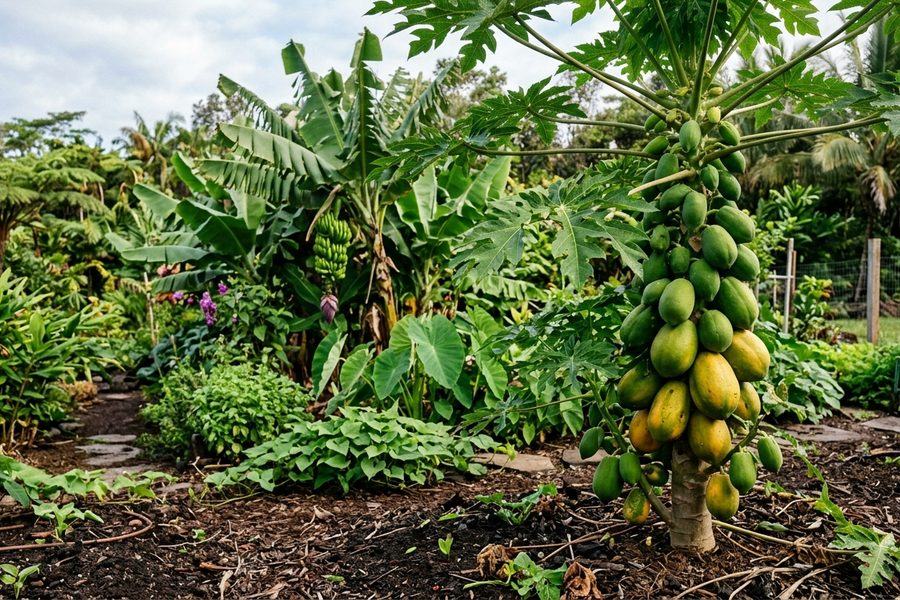
You can be part of this
Every guided dive we run targets roi first. Complete beginners regularly take their first fish ever, and that fish is an invasive predator whose removal made the reef measurably better. Your morning of adventure is conservation with a speargun in its hands.
Hunt an invasive. Feed a garden. Leave the reef better than you found it. That's a vacation story worth telling.
See it for yourself
Guided spearfishing on the Kona coast. Complete beginners welcome.
Group Dive · $299Meet the Fish